
The Role of Protein in Muscle Building (Hypertrophy)
Protein is made up of amino acids, which are the building blocks of muscle tissue. When you consume protein, your body breaks it down into these amino acids, which are then used to repair and build new muscle fibers.
Here’s how it works:
Amino Acids: After consuming protein, your body breaks it down into amino acids. These amino acids are essential for repairing and building muscle fibers, especially after strength training or resistance exercise.
Muscle Repair and Growth: When you engage in resistance training, small tears occur in your muscle fibers. The repair process, where these tears are mended, is when muscles grow and become stronger. Amino acids from dietary protein are crucial in this repair process, leading to muscle hypertrophy (an increase in muscle size).
Increased Muscle Mass and Metabolism
Building more muscle has a significant impact on your metabolism and calorie-burning ability. Here’s why:
Resting Metabolic Rate (RMR): Muscle tissue is metabolically active, meaning it burns calories even at rest. As you build more muscle, your resting metabolic rate increases, allowing you to burn more calories throughout the day.
Thermic Effect of Food (TEF): Protein has a higher thermic effect compared to fats and carbohydrates. This means your body burns more calories digesting and metabolizing protein than it does with other macronutrients.
Muscle Activity and Fat Burning
Having more muscle mass not only boosts your metabolism but also enhances your body’s ability to burn fat:
Increased Energy Expenditure: With more muscle mass, your overall energy expenditure increases, both during exercise and at rest. This higher energy expenditure helps in burning body fat.
Enhanced Fat Oxidation: Exercise, particularly resistance training, improves your body’s ability to oxidize (burn) fat as a fuel source. This means your body becomes more efficient at using stored fat for energy.
Putting It All Together
Consuming adequate protein supports muscle repair and growth, leading to increased muscle mass. More muscle mass boosts your metabolism and energy expenditure, which helps burn body fat. Additionally, the process of digesting protein itself requires more energy, contributing to higher calorie burn.
Tips for Optimising Protein Intake:
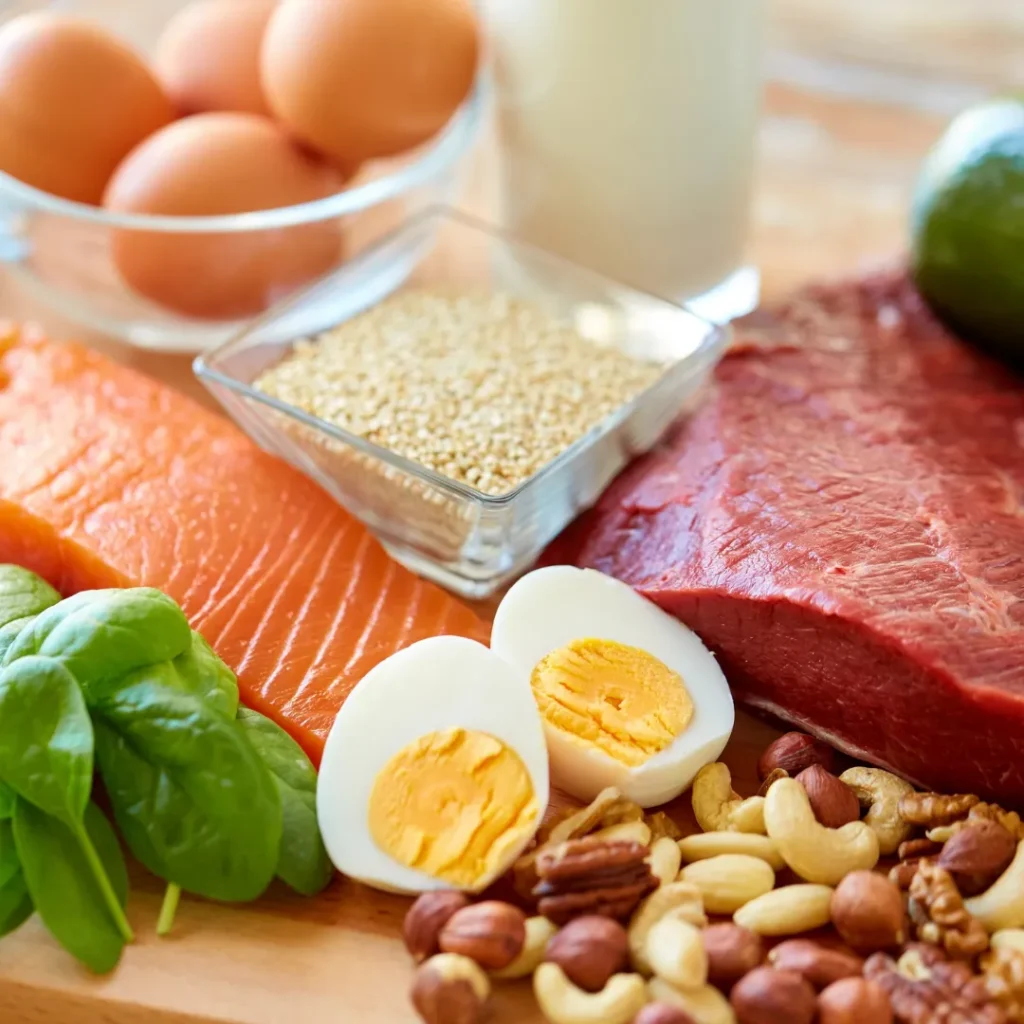
Balanced Diet: Ensure you’re getting protein from a variety of sources such as lean meats, fish, eggs, dairy, legumes, and plant-based proteins.
Timing: Spread your protein intake throughout the day to maintain a steady supply of amino acids for muscle repair and growth.
Post-Workout: Consuming protein after workouts can help kickstart the muscle repair process.
By understanding how protein aids in building muscle and burning fat, you can tailor your diet and exercise routine to maximize your fitness results. So, make sure you’re getting enough protein and watch your body transform!